When you shop for insurance, you may assume buying directly from an insurance company will always be less expensive. After all, if there is no agent involved, shouldn’t you automatically save money?

Not necessarily.

In some situations, a direct quote may be lower. In others, a local independent insurance agent may find a more competitive option: including coverage through the very same insurance company you were considering. The difference often comes down to how many insurers you can compare, how your information is evaluated, which discounts you qualify for, and whether the coverage truly fits your needs.

The important thing is to compare more than the headline price.

What does “buying direct” mean?

Buying insurance direct usually means purchasing through an insurance company’s website, mobile app, or call center. You work with that one company and choose from the products, coverage options, and pricing programs it makes available through its direct channel.

This approach can be convenient. If you have a straightforward situation and are comfortable selecting your own limits, deductibles, and optional coverages, getting an online quote may be quick and easy.

However, you are generally comparing only that company’s policies. If the price is higher than expected: or if the coverage does not quite meet your needs: you must shop other insurers on your own.

A local independent insurance agency works differently. An independent agent can represent multiple insurance companies and compare available options for you. The National Association of Insurance Commissioners explains that independent agents typically sell policies from more than one insurer, while direct channels focus on the products of one company.

That wider view can make a meaningful difference.

Can the same insurance company be less expensive through an agent?

Sometimes: but there is no universal rule.

Insurance companies set their rates based on approved rating plans, underwriting guidelines, risk factors, discounts, and eligibility requirements. An agent does not simply change a carrier’s filed rate to create an artificially lower price.

But a local agent may be able to help you receive a better overall quote for several reasons:

  • The agent can compare multiple carriers instead of stopping with one.
  • Your information may be entered more completely and accurately.
  • The agent can identify discounts or credits you may qualify for.
  • Coverage can be adjusted to fit your actual situation rather than a basic online template.
  • The agency may have access to an insurance company’s agency distribution channel, while the direct channel may use different pricing or underwriting rules.
  • The agent can compare deductible and coverage combinations to help you find an appropriate balance between protection and premium.

For example, you may contact an insurance company directly and receive a quote from Carrier A. A local independent agent may also quote Carrier A: but may then compare that option with Carriers B, C, and D. The agent may discover that Carrier A is still competitive when your information and discounts are reviewed carefully, or that another carrier offers a better fit.

The result could be a lower price, broader coverage, better policy features, or simply a clearer understanding of what you are buying.

But price is never guaranteed. Your premium depends on factors such as your driving record, claims history, property characteristics, location, credit-based insurance score where permitted, business operations, coverage limits, deductibles, discounts, and the insurer’s underwriting guidelines.

The only reliable way to know your options is to compare quotes using accurate, consistent information.

Homeowner reviewing online insurance information with a local advisor who explains coverage choices

The “direct is always cheaper” misconception

The idea that direct insurance is always cheaper makes sense at first. People often think that an agent’s commission must be added to the customer’s bill.

In most cases, customers do not pay a separate fee simply for working with an independent insurance agent. Agents are commonly compensated by the insurance company when a policy is placed, although compensation arrangements can vary by agency, carrier, product, and state.

At the same time, direct insurance companies have their own expenses. Advertising, technology platforms, call centers, customer-service teams, underwriting systems, and online operations all contribute to the cost of running an insurance business.

So removing an agent does not automatically mean removing every cost associated with selling and servicing a policy. It also does not mean direct insurance is never less expensive. Different companies and distribution channels may offer different pricing programs.

That is why it is risky to make an absolute statement such as “direct is always cheaper” or “an agent can always beat a direct quote.” Neither is true in every situation.

A better question is:

Which option gives me the right coverage, a competitive price, and the level of service I want?

The biggest difference may be customer service

Price matters, but insurance is not only a purchase you make once. Your policy may be there when you buy a home, add a vehicle, hire an employee, experience storm damage, or face a serious accident.

With a local independent agent, you have a real person who can become familiar with your household, property, vehicles, or business. That relationship can make everyday insurance decisions easier.

A local agent can help you:

Compare coverage: not just prices

Two policies can have different premiums because they have different deductibles, limits, exclusions, endorsements, or claim conditions. An agent can help you compare those differences so you are not choosing based on price alone.

For homeowners, that might include reviewing dwelling limits, personal property coverage, liability protection, water backup, replacement cost, and deductibles. For auto insurance, it may involve comparing liability limits, comprehensive and collision deductibles, rental reimbursement, roadside assistance, and uninsured or underinsured motorist coverage.

You can learn more about these considerations on our homeowners insurance information page and auto insurance information page.

Explain exclusions and deductibles

Insurance policies contain terms that can be difficult to interpret. An agent can explain what a policy does and does not cover, how a deductible works, and where you may need an additional endorsement or separate policy.

That conversation can help prevent unpleasant surprises later.

Review your policy as life changes

Your insurance needs can change over time. You may purchase a newer vehicle, add a driver, remodel your home, start a business, acquire equipment, or have a change in household income.

A local agency can review your policies periodically and help identify potential gaps, outdated information, or coverage that no longer makes sense.

Assist when you have a claim

The insurance company ultimately investigates and decides covered claims according to the policy. However, your agent can often help you understand the reporting process, explain what information may be needed, and help communicate with the carrier.

When you are already dealing with damage or loss, having someone familiar to contact can be reassuring.

Local insurance professional reviewing policy limits and deductibles with a small-business owner

Direct insurance may still be the right choice for some people

Buying directly from an insurance company is not automatically a bad decision. It may be a good fit if:

  • You prefer to handle everything online.
  • Your insurance needs are simple and standard.
  • You are comfortable comparing coverage details yourself.
  • You want to work with one specific insurer.
  • You value fast self-service through an app or online account.

The key is to make sure you understand what you are selecting. A quick quote is not necessarily a complete comparison, and the lowest premium may come with lower limits, higher deductibles, or fewer optional protections.

If you choose to buy direct, consider comparing more than one company and confirming that each quote uses the same information and coverage selections.

Why choose an independent agency like Jett Insurance?

Jett Insurance Agency, Inc. has served customers since 1990. As an independent agency, we work with multiple insurance providers rather than being tied to one company.

Our approach is simple: one size does not fit all.

We use technology to compare available rates and coverage options, but we also believe insurance decisions deserve a human conversation. Our team takes time to understand your situation, explain your choices, and help you select coverage that fits your priorities.

Whether you need homeowners insurance, auto insurance, commercial coverage, or life and health insurance, we can help you review your options from multiple carriers.

We may be able to quote the same carrier you found through a direct channel. We may also find another company that better matches your needs or budget. We will not promise that we can always beat a direct quote: but we will help you make a more informed comparison.

Local insurance professional providing calm, personal support during a customer claim

Compare the complete value: not just the premium

Before choosing direct insurance or a local independent agent, compare the full picture:

  1. Are the coverage limits the same?
  2. Are the deductibles identical?
  3. Do both quotes include the same endorsements and optional coverages?
  4. Are all applicable discounts included?
  5. Who will answer your questions after the policy is issued?
  6. Who can help you review coverage at renewal?
  7. Who can help you understand the claims process?
  8. Can someone compare other insurance companies if your rate changes?

Sometimes the direct quote will be the best fit. Sometimes an independent agent will find a better option. In many cases, the premiums may be close enough that personal guidance and ongoing service become the deciding factors.

Ready to compare your options?

You do not have to choose between convenience and personal service. Jett Insurance can help you compare insurance carriers and coverage options while providing a local point of contact when you need assistance.

Contact Jett Insurance for a policy review or comparison quote. We will look at your specific situation, explain your options, and help you make a decision based on coverage, service, and price: not assumptions.

Insurance availability, pricing, discounts, and eligibility vary by customer, policy type, carrier, and state. Quotes are subject to underwriting and may change based on verified information.
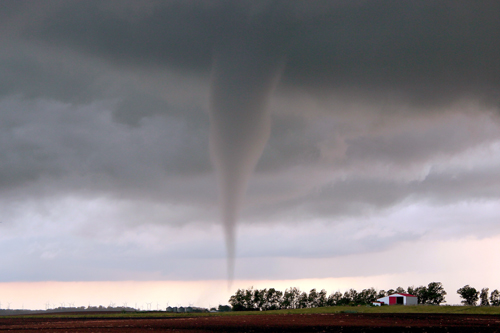
Indiana weather can change quickly. Severe thunderstorms may bring damaging winds, large hail, lightning, and heavy rain. Tornadoes can develop with little warning, while flash flooding can turn roads and yards into dangerous waterways in a matter of minutes.

Recent storms and flooding across Indiana have reminded many families how important preparation and insurance planning can be. The good news is that you do not have to navigate the recovery process alone. Understanding what to do before, during, and after a storm can help protect your family, reduce additional damage, and make an insurance claim easier to manage.

Before the Storm: Prepare Your Household and Review Your Coverage

The best time to think about storm damage is before severe weather is in the forecast. A few practical steps now can save time, money, and stress later.

Create a home inventory

A home inventory is a detailed record of the belongings you own. It can be especially helpful if items are damaged or destroyed and you need to prove what you had.

Walk through your home and photograph or video:

  • Furniture and electronics
  • Appliances and tools
  • Jewelry, collectibles, and artwork
  • Clothing and sporting equipment
  • Computers, televisions, and other high-value items
  • Items stored in basements, garages, sheds, and outbuildings

For expensive belongings, record the make, model, serial number, purchase date, and approximate value. Keep receipts, appraisals, and warranties when available.

Store your inventory somewhere safe, such as cloud storage or an external drive kept outside your home. Revisit it once or twice a year, especially after major purchases.

Review your insurance policy

A standard homeowners policy may provide coverage for certain types of storm damage, including damage caused by wind, hail, lightning, or falling objects. However, coverage depends on the policy language, exclusions, limits, and deductible.

Flooding is an especially important distinction. Most standard homeowners policies do not cover damage caused by rising floodwater. Flood insurance is generally purchased separately. Water entering through a damaged roof may be treated differently from water rising from the ground, so the cause of damage matters.

If you own a vehicle, comprehensive auto coverage may help with damage from hail, falling branches, flooding, or other non-collision events. Renters should also review their policy, since a landlord’s insurance generally does not cover the tenant’s personal belongings.

Ask your insurance agent:

  • What storm-related damage does my policy cover?
  • Is flood insurance appropriate for my property?
  • What is my wind or hail deductible?
  • Do I have replacement-cost or actual-cash-value coverage?
  • Are detached structures, trees, landscaping, and personal property covered?
  • Does my policy include additional living expenses if my home becomes uninhabitable?
  • Are there endorsements I should consider, such as sewer backup coverage?

At Jett Insurance, we believe insurance should not be one-size-fits-all. Our team can review your current coverage and compare options from multiple providers before severe weather creates an emergency.

Know your deductible

Your deductible is the amount you may need to pay before insurance contributes toward a covered loss. Some policies have separate deductibles for wind, hail, or other specific causes of damage.

Knowing this amount ahead of time helps you make informed decisions after a storm. Keep a copy of your declarations page with your policy documents so you can quickly find your coverage limits, deductibles, and claims contact information.

Build an emergency kit

Indiana Department of Homeland Security recommends preparing an emergency kit before severe weather develops. Your kit should be easy to access and checked periodically.

Consider including:

  • Bottled water and nonperishable food
  • Flashlights and extra batteries
  • First-aid supplies and necessary medications
  • Phone chargers and backup power
  • A battery- or solar-powered weather radio
  • Blankets, hygiene supplies, and basic tools
  • Copies of insurance policies and important documents
  • Supplies for children, older adults, and pets

You should also create a family communication plan. Make sure everyone knows where to shelter and how to reconnect if family members are separated.

During the Storm: Safety Comes Before Property

When severe weather is occurring, do not put yourself at risk to protect or inspect your property.

The Indiana Department of Homeland Security’s severe weather guidance recommends having multiple ways to receive alerts, including wireless emergency alerts, local broadcasts, trusted weather apps, and a NOAA weather radio. Outdoor warning sirens may not be loud enough to wake people indoors.

Remember the difference between a watch and a warning:

  • A watch means conditions are favorable for severe weather. Stay alert and be ready to act.
  • A warning means severe weather is occurring or imminent. Take protective action immediately.

For a tornado warning, move to a basement, storm shelter, or small interior room on the lowest floor. Stay away from windows and place as many walls as possible between you and the outside.

During a severe thunderstorm, go indoors and stay away from windows. Do not shelter under isolated trees or near water, electrical wires, or metal objects.

If flooding is possible, move to higher ground. Never drive or walk through floodwater. Even shallow moving water can knock a person off their feet, hide dangerous debris, or sweep a vehicle away. Follow the rule: Turn Around, Don’t Drown.

After the Storm: Protect People, Document Damage, and Call for Help

Once the storm has passed, the first step is not taking pictures: it is making sure it is safe to return.

Wait for instructions from local officials before entering a damaged home. Watch for:

  • Downed power lines
  • Gas leaks
  • Structural instability
  • Broken glass and exposed nails
  • Contaminated floodwater
  • Standing water near electrical systems
  • Mold or other health hazards

If there is an immediate medical emergency, call 911.

Document the damage carefully

When it is safe, photograph and video the damage before cleaning up or making repairs. Take wide photos of each affected room, followed by close-ups of damaged materials and belongings.

For flood damage, document water lines inside and outside the property. Photograph damaged furniture, appliances, flooring, walls, cabinets, vehicles, landscaping, roofs, siding, windows, and outbuildings.

Create a room-by-room list that includes:

  • What was damaged
  • The approximate age and value
  • Make, model, and serial number when applicable
  • Whether the item can be repaired or must be replaced
  • Photos, receipts, and estimates

Do not discard damaged belongings unless they are creating a health or safety hazard. If an item must be thrown away, photograph it first and keep a sample or portion when practical. Your insurer or adjuster may need to inspect the damage.

Contact your insurance agent promptly

Call your insurance agent or carrier as soon as possible to report the loss. You do not need to know the total cost of repairs before starting a claim.

Jett Insurance can help you understand the next steps, organize information, and communicate with the insurance company throughout the claims process. We can also help clarify whether you may need to contact your homeowners, auto, flood, or business insurer based on the type of damage.

For assistance, contact Jett Insurance at 765-987-7019 or email sales@jettins.com.

Make reasonable temporary repairs

You generally have a responsibility to prevent additional damage when it is reasonably safe to do so. Examples may include placing a tarp over a damaged area, boarding a broken window, covering belongings, or arranging for water removal.

Take photos before making temporary repairs, keep receipts for materials and labor, and save invoices from contractors. Avoid permanent repairs or major renovations until the insurance company has had an opportunity to inspect the damage, unless emergency conditions require immediate action.

Do not climb onto a damaged roof, enter unstable structures, or operate electrical equipment in standing water. Hire qualified professionals when specialized work is needed.

Be Careful When Hiring Storm Contractors

After a widespread storm, contractors may arrive quickly offering to repair roofs, siding, windows, or water damage. Many are legitimate, but disaster areas can also attract scammers.

Before hiring anyone:

  • Get more than one written estimate when possible.
  • Ask for the contractor’s business name, address, and references.
  • Verify licensing or registration requirements that apply to the work.
  • Avoid contractors who demand full payment upfront.
  • Be cautious of anyone who pressures you to sign immediately.
  • Do not sign blank contracts or documents you do not understand.
  • Keep copies of contracts, estimates, invoices, and proof of payment.
  • Do not let anyone discourage you from contacting your insurance agent.

FEMA also provides information about disaster fraud and scams. Be cautious with anyone requesting sensitive personal information or promising guaranteed disaster assistance.

Resources for Indiana Families Affected by Flooding

If your family was affected by recent Indiana storms or flooding, help may be available beyond your insurance policy.

  • Indiana 211: Call 211 or 866-211-9966, or visit the Indiana 211 website for referrals involving shelter, food, cleaning supplies, transportation, counseling, temporary housing, and other local needs.
  • Indiana Department of Homeland Security: Visit the Indiana disaster resources page for updates, damage reporting information, and state assistance programs.
  • FEMA: If federal assistance becomes available for your area, use DisasterAssistance.gov and follow the current instructions from FEMA and Indiana officials. FEMA assistance generally cannot duplicate insurance benefits and may be intended for eligible uninsured or underinsured needs.
  • American Red Cross: Use the Red Cross Resource Directory to search for housing, food, transportation, health, and legal assistance.

Disaster assistance programs and eligibility can change as damage assessments and declarations develop. Always confirm current instructions through official government websites.

Let Jett Insurance Help You Prepare

Storm damage is stressful enough without trying to interpret policy language or manage the claims process alone. Jett Insurance has served Indiana clients since 1990, helping families and businesses find coverage that fits their needs.

Whether you need a homeowners policy review, auto coverage guidance, flood insurance information, or help after a loss, our independent agency is here to advocate for you. Contact Jett Insurance before the next storm: or call us after damage occurs so we can help you determine what to do next.

Preparing today can make tomorrow’s recovery a little easier.

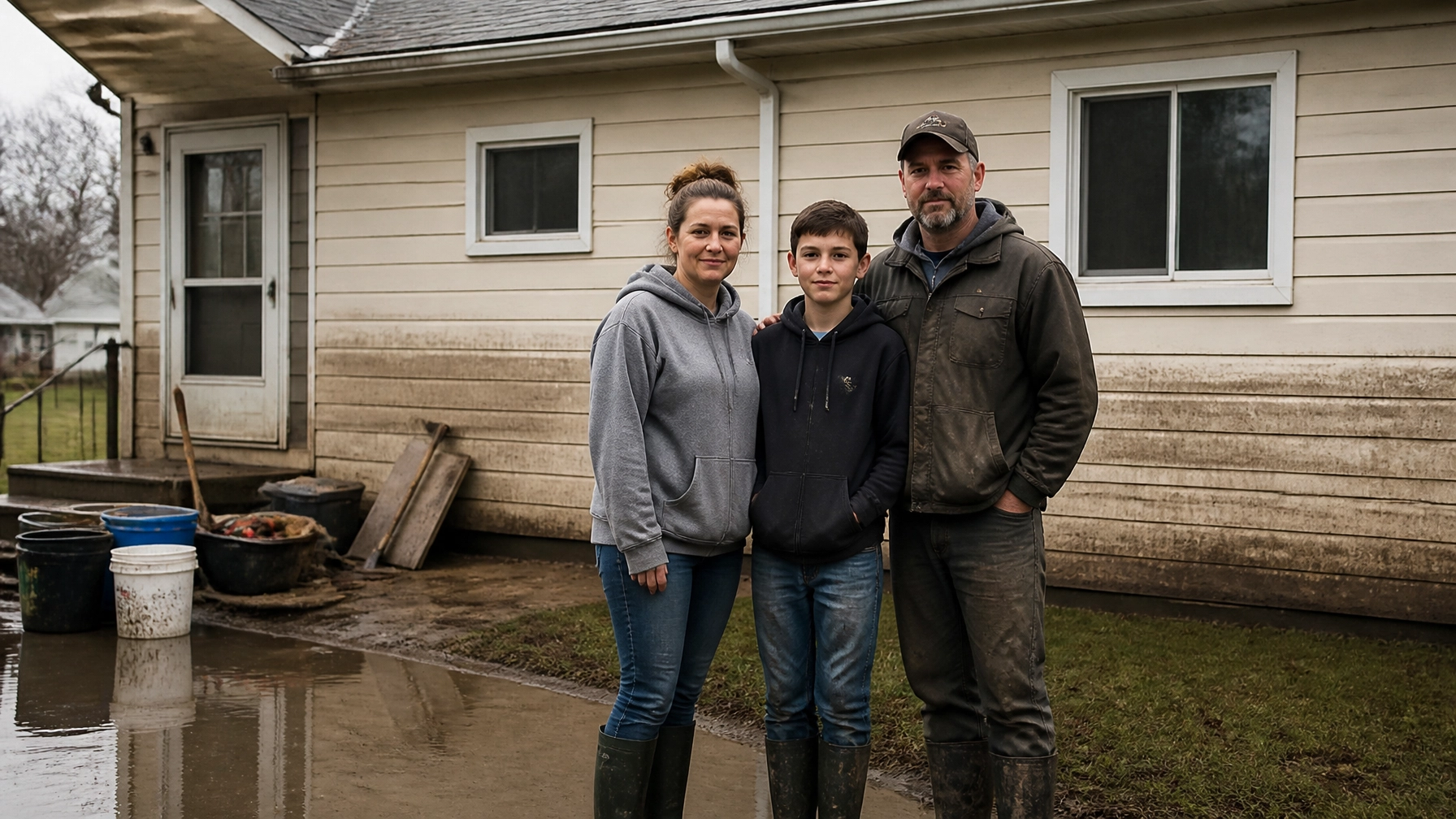
A serious flood can leave families feeling overwhelmed, displaced, and unsure where to begin. Between property damage, temporary housing, cleanup, insurance claims, and applications for disaster assistance, there may be many forms to complete and agencies to contact.

If you or someone you love has been affected by the recent flooding, please know that you are not alone. The recovery process takes time, but taking the right steps early can help protect your family, preserve important information, and connect you with available assistance.

Here is a practical guide to what to do after a flood.

1. Put safety first

Before documenting damage or entering your home, make sure it is safe to do so.

  • Call 911 for immediate danger, medical emergencies, trapped individuals, or active flooding threats.
  • Do not enter a building if there is structural damage, standing water near electrical systems, gas odors, or other hazards.
  • Keep children and pets away from contaminated water, damaged structures, and debris.
  • Contact your local officials before returning home if an evacuation order remains in effect.
  • If you need a place to stay, check with the American Red Cross, Salvation Army Indiana, or local emergency management officials.

The Indiana Department of Homeland Security also recommends texting SHELTER followed by your ZIP code to 4FEMA (43362) to search for available emergency shelters. Spanish-speaking residents can text REFUGIO followed by their ZIP code.

2. Document everything before cleaning up

Once it is safe, document the condition of your home, property, and vehicles before throwing anything away or beginning major repairs.

Use your phone to take detailed photos and videos of:

  • Exterior damage, including the foundation, siding, roof, doors, windows, and landscaping
  • The waterline inside your home
  • Damaged flooring, drywall, cabinets, appliances, and furniture
  • Electrical, heating, plumbing, and HVAC equipment
  • Personal belongings, including clothing, electronics, tools, and children’s items
  • Damage to garages, sheds, fences, driveways, and other structures
  • Flood-damaged vehicles

Take wide shots to show the full room or property, followed by close-ups of individual items. If possible, include something that shows scale, such as a ruler or measuring tape.

Create a written inventory. Include the item, approximate purchase date, original cost if known, current condition, and estimated replacement cost. Save receipts for emergency lodging, food, cleanup supplies, temporary repairs, and other necessary expenses.

Do not discard damaged items until your insurance company or adjuster tells you it is appropriate. If something must be removed for health or safety reasons, photograph it thoroughly first and keep samples, labels, receipts, or other evidence whenever possible.

Homeowner documenting flood damage with a smartphone and inventory list

3. Contact your insurance agent immediately

Your next call should be to your insurance agent or insurance company. Do not wait until all the damage has been assessed or all your paperwork is complete.

Your agent can help you:

  • Identify which policies may apply
  • Start the claims process
  • Explain deductibles and important deadlines
  • Provide the insurance company’s claim number and contact information
  • Help you understand what documentation is needed
  • Discuss temporary repairs and additional living expenses
  • Coordinate questions involving your home, auto, or business coverage

At Jett Insurance, we understand that no two households have the same needs. Our role is not simply to point you to a phone number. We will help you understand the process, communicate with the carrier, and advocate for you as your claim moves forward.

You can learn more about available home coverage through our homeowners insurance information page.

4. Know the difference between homeowners insurance and flood insurance

One of the most confusing parts of flood recovery is understanding which policy covers the damage.

A standard homeowners policy generally covers many unexpected causes of loss, such as fire, theft, wind, or certain types of sudden water damage. However, damage caused by flooding is usually excluded from standard homeowners insurance.

Flood insurance is typically purchased as a separate policy. It may provide coverage for certain types of physical damage to the building and, depending on the policy, personal belongings. Coverage is subject to the policy’s terms, limits, exclusions, waiting periods, and deductible.

The definition of “flood” can also matter. Rising water from heavy rain, overflowing rivers or creeks, and surface water may be treated differently from a burst pipe or a backed-up drain. That is why it is important to have an agent or claims representative review the specific facts and policy language rather than assuming a loss is covered: or not covered.

Your auto policy may help with flood damage to a vehicle if you carry comprehensive coverage. Contact your agent before assuming your vehicle is uninsured.

5. File and organize your claim

When you file a claim, keep a dedicated recovery folder: physical or digital: for everything related to the loss.

Record:

  • The date and time you reported the claim
  • The claim number
  • Names and contact information for everyone you speak with
  • Inspection and adjuster appointments
  • Documents submitted
  • Estimates and receipts
  • Temporary housing and repair expenses
  • Questions that still need answers

Ask your insurer what emergency repairs are permitted before an inspection. You may need to take reasonable steps to prevent further damage, such as covering broken windows, removing standing water, or arranging emergency drying. Keep receipts and photograph the work before, during, and after it is completed.

Avoid making permanent repairs, signing contracts, or accepting a settlement before you understand what is being offered. You can ask questions and request an explanation of how the settlement was calculated.

Common flood recovery mistakes to avoid

Waiting to report the damage

Even if you are uncertain whether your policy covers the loss, report it promptly. Your agent can help determine the next step.

Cleaning up without taking photographs

Once damaged materials are removed, it can be harder to prove the extent of the loss. Document first whenever safety allows.

Hiring the first contractor who arrives

Unfortunately, disasters can attract dishonest contractors and repair scams. Get written estimates, verify licensing and insurance, and avoid paying the full amount upfront. The Indiana Attorney General’s consumer protection resources can provide additional guidance.

Assuming FEMA replaces insurance

FEMA assistance is not a substitute for insurance. If a federal disaster declaration includes your area, FEMA may provide assistance for eligible uninsured or underinsured losses. FEMA generally requires applicants to provide insurance information and may expect them to file an insurance claim first.

Paying disaster assistance fees

Be cautious of anyone asking you to pay for access to FEMA assistance or promising guaranteed approval. Use official government websites ending in .gov, such as DisasterAssistance.gov and FEMA.gov.

Local and national resources for Indiana families

Indiana 211

Call 211 or 866-211-9966 to connect with local help for:

  • Emergency and longer-term housing
  • Food and water
  • Utility assistance
  • Cleanup support
  • Counseling
  • Transportation
  • Financial assistance
  • Disaster damage reporting and referrals

You can also search for available services through Indiana 211. Resource availability may vary by county, so tell the navigator where you live and explain your most urgent needs.

FEMA disaster assistance

Visit DisasterAssistance.gov to check whether federal assistance is available in your area and apply if eligible. You can also visit FEMA’s Indiana disaster resources page for declared disasters, recovery centers, flood maps, and state-specific information.

FEMA’s Indiana referral list includes resources involving housing, agriculture, disability services, crisis counseling, unemployment, and more.

Indiana Department of Homeland Security

The Indiana Department of Homeland Security disaster resources page includes information about Indiana 211, shelters, FEMA, the State Disaster Relief Fund, county emergency management agencies, food assistance, housing resources, and other recovery programs.

The State Disaster Relief Fund may become available after certain officially declared disasters when insurance and federal assistance do not fully address eligible losses. Programs, deadlines, and qualifying counties can change, so check the latest state information.

Local emergency management agencies

Every Indiana county has an emergency management agency. Your county EMA can provide information about evacuation orders, damage reporting, debris removal, assistance centers, inspections, and local recovery programs.

Use Indiana’s county EMA lookup to find the appropriate office.

American Red Cross and Salvation Army

The American Red Cross Indiana Region can help connect survivors with emergency shelter, food, health services, mental health support, and recovery resources. The Indiana regional disaster assistance number is 888-684-1441. Some border counties are served by neighboring Red Cross regions, so confirm the appropriate number for your county.

The Salvation Army Indiana Division provides immediate and longer-term disaster support, which may include food, clothing, cleanup assistance, shelter referrals, and emotional or spiritual care.

You do not have to navigate this alone

Flood recovery involves more than repairing a building. It means helping your family find a safe place to sleep, replacing essential belongings, managing unexpected expenses, and making difficult decisions while you are already under stress.

Start with safety. Document the damage. Contact your insurance agent. Then use Indiana 211, FEMA, IDHS, the Red Cross, Salvation Army, and your county emergency management agency to find additional support.

If your home, vehicle, or business has been affected, contact Jett Insurance for help reviewing your coverage and beginning the claims process. We are here to answer questions, explain your options, and advocate for you as you take the next steps toward recovery.

This article is for general informational purposes and does not change, expand, or replace the terms of an insurance policy or an official disaster assistance program. Resource availability and application deadlines may change. Always confirm current information with the applicable agency or your insurance professional.

If you’ve ever walked through the door after a long day at the office and been greeted by a wagging tail or a persistent purr, you know exactly what I’m talking about. Our pets aren't just "animals" we keep around the house. They are family. They’re the ones who listen to our problems without judging, the ones who always think our jokes are funny, and the ones who offer unconditional love when we need it most.

At Jett Insurance Agency, Inc., we get it. We’re real people with real families, and that includes the four-legged members. When you come into our office, you won't find a bunch of stiff suits or robotic corporate talk. You’ll find people like me, Tom Jett, who care more about making sure your entire family is protected than hitting some corporate sales quota.

Lately, one of the biggest questions I’ve been getting over a cup of coffee is: "Tom, is pet insurance actually worth it?" My answer is always the same: if you consider your pet a member of the family, then protecting them with insurance isn't just a luxury: it’s a must.

The Reality of the "Oh No" Moment

We’ve all been there. Your dog eats something they shouldn’t (looking at you, Labradors), or your cat suddenly stops eating and starts acting lethargic. You rush to the emergency vet, and before they even take your pet into the back room, you’re looking at a bill that makes your eyes water.

Modern veterinary medicine is incredible. We can do things for our pets today that were unthinkable twenty years ago: advanced surgeries, cancer treatments, and specialized diagnostics. But that technology comes with a price tag. I’ve seen cases where a simple fracture led to an $8,500 surgery. Without a safety net, many families are forced to make an impossible choice between their bank account and their best friend.

A veterinarian examining a Golden Retriever, representing the financial protection of pet insurance for medical care.

Pet insurance changes that conversation. It takes the "how are we going to pay for this?" out of the equation and replaces it with "how can we get them better?" When you have the right coverage, you can make medical decisions based on what’s best for your pet’s health, not what’s left in your checking account.

Why the "Jett Way" is Different

You’ve probably seen the commercials on TV or the "Click for a Quote" ads on your phone. They make it sound so easy. But if you’ve read our post about the click-for-a-quote trap, you know that those big-name companies are often just looking for your data. They don’t know you, and they certainly don’t know your dog, Buster.

As an independent agency, Jett Insurance Agency, Inc. does things differently. We aren't tied to one single insurance company. When you talk to us about pet insurance, we’re actually shopping around across multiple carriers to find the best possible rates and coverage for your specific situation.

We look at the fine print so you don’t have to. We check for things like:

  • Hereditary and Congenital Conditions: Some breeds are prone to specific issues (like hip dysplasia in Shepherds). We make sure your policy doesn’t leave you hanging.
  • Chronic Conditions: If your pet develops diabetes or allergies, will the policy cover the ongoing medication for the rest of their life?
  • Reimbursement Percentages: We help you understand if you’re getting 70%, 80%, or even 90% of your money back after the deductible.

We’re real people helping real families. We want to make sure that if the worst happens, you’re not dealing with a faceless call center that treats you like a policy number. You’re dealing with us.

Financial Protection and Peace of Mind

Think of pet insurance as a way to "level out" your budget. Instead of facing a surprise $5,000 vet bill that ruins your vacation plans or drains your emergency fund, you have a predictable monthly premium. It transforms those scary, unpredictable healthcare costs into a manageable part of your household budget.

This is especially important for:

  1. New Puppy or Kitten Owners: Young pets are curious and prone to accidents. Plus, getting them insured early means you won't have to deal with the "pre-existing condition" exclusions later on.
  2. Families with Multiple Pets: If you have two or three furballs, the chances of an emergency happening eventually are pretty high. Having a plan in place for all of them keeps your finances stable.
  3. Senior Pet Parents: As our friends get older, they need a little more maintenance. Insurance can help cover the costs of those extra diagnostics and comfort care that keep them happy in their golden years.

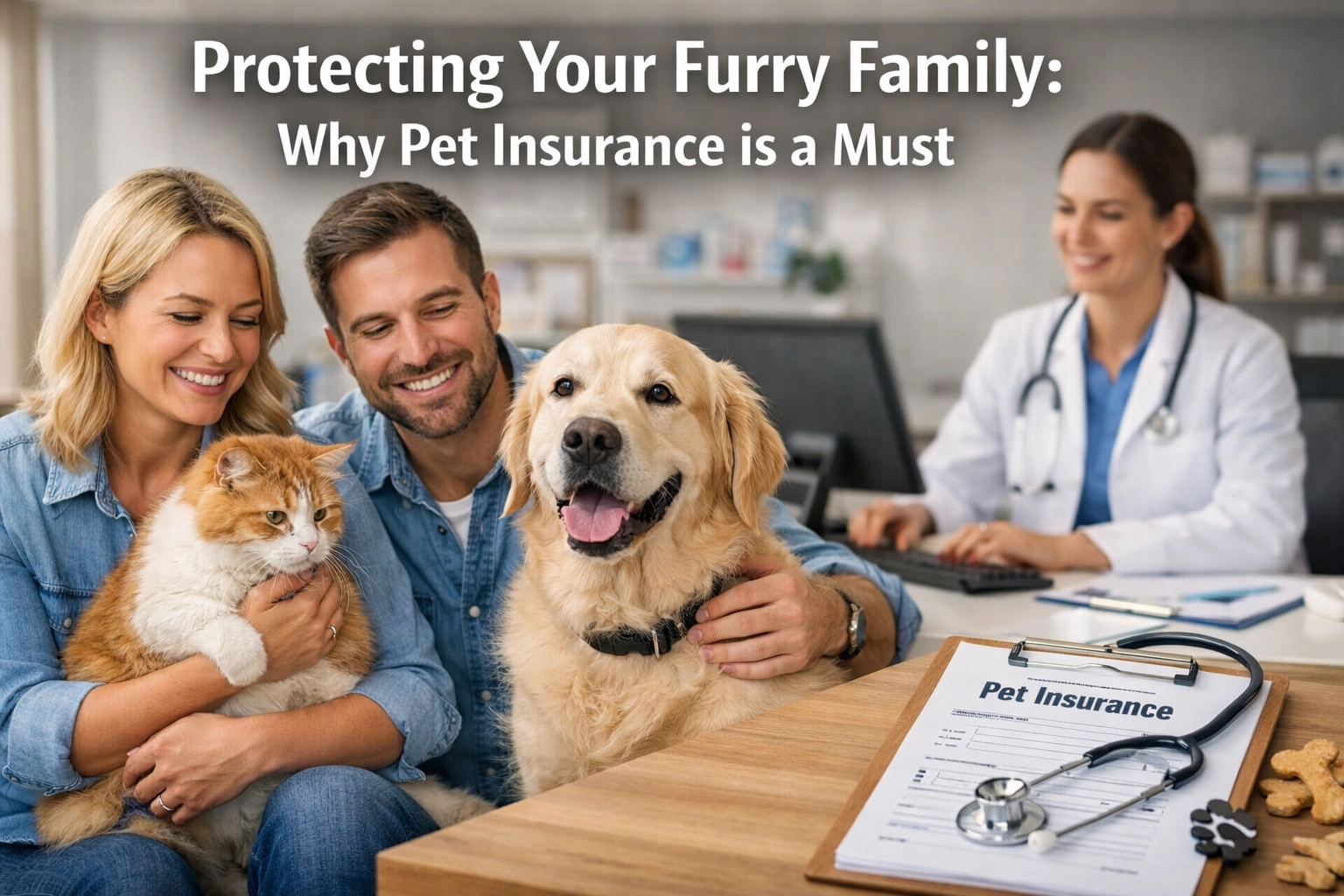
A happy family with their dog and cat at home, emphasizing the importance of pet insurance for the whole family.

Better Health Outcomes Through Early Detection

One of the coolest things about pet insurance is that it actually encourages better health. We’ve noticed that when our clients have coverage, they don’t hesitate to take their pet to the vet the moment they notice something "off."

When you aren’t worried about the cost of a check-up, you’re more likely to catch things like early-stage kidney disease or small growths before they become life-threatening emergencies. Early detection means simpler treatments, less pain for your pet, and: ironically: lower costs in the long run. It’s a win for everyone involved.

No Gimmicks, Just Good Coverage

You might have noticed that I’m not a big fan of the "traditional" insurance vibe. I don’t wear a suit to work, and I’m not going to try to sell you something you don’t need with a bunch of high-pressure sales tactics. If you want to know more about our "no-gimmicks" approach, you can read more about us here.

Our goal at Jett Insurance Agency, Inc. is to be your neighbor. We live in the same community, we shop at the same stores, and we probably walk our dogs in the same parks. We want to be the office you feel comfortable calling when you have a question, whether it's about your auto insurance or your new kitten’s health plan.

Insurance can be complicated, and the big direct companies want to keep it that way so they can save money at your expense. You can learn more about that in our post on the direct insurance trap. We’re here to cut through the noise and give you the straight talk you deserve.

How to Get Started

If you’re ready to stop crossing your fingers and hoping for the best every time your pet sneezes, let’s chat. You don't need to fill out a dozen forms on some sketchy website. Just reach out to us. We’ll take a look at your family, your pets, and your budget, and we’ll find a plan that fits.

A friendly independent insurance agent consulting with a client and their pet in a local, welcoming office setting.

We pride ourselves on providing the best insurance advice you'll ever get, and that starts with understanding that one size definitely does not fit all: especially when it comes to our furry family members.

Whether you have a purebred dog with a long list of potential health issues or a "neighborhood special" cat that wandered onto your porch and stayed, we’ve got your back. Let’s make sure your pets get the care they deserve and you get the peace of mind you need.

Stop by the office or give us a call. We’d love to hear about your pets (and we’re always up for seeing pictures!). Let’s keep those tails wagging and those purrs going strong for years to come.

Ready to protect your furry family? Contact us today and let’s get to work!

As the lazy days of summer wind down and the back-to-school rush takes over, households everywhere are bracing for a whirlwind of schedules, sports practices, and early alarms. But for many parents, this school year brings a brand-new milestone: and a mini-heart attack every time the car keys jingle: your teenager is officially getting behind the wheel.

Whether your high schooler just passed their driver's test or your college-bound student needs wheels to campus, adding a young driver to your auto insurance policy is a major financial and logistical shift. If you’ve looked into the numbers lately, you probably already know that insurance rates for teen drivers can induce serious sticker shock.

At Jett Insurance Agency, we’ve been helping families navigate life's biggest milestones since 1990. We know that one size doesn't fit all, especially when it comes to safeguarding your family on the road. Below, we’ll break down the realities of insuring a teen driver, the smart strategies to keep costs under control, and how partnering with an independent agency makes all the difference.


The Reality of Rate Increases: Why Teenagers Cost More to Insure

Let’s address the elephant in the living room: auto insurance rates jump significantly the moment a teenager is added to a policy. According to industry averages, adding a 16- or 17-year-old driver can increase an existing family auto policy by $200 to $400 a month.

Why is the increase so steep? Insurance is all about risk assessment. Statistically, drivers between the ages of 16 and 19 have the highest crash rates per mile driven compared to any other age group. Inexperience, distraction, and nighttime driving all contribute to higher claim frequencies.

However, understanding why the rates go up doesn't mean you have to accept a broken budget. With the right strategy, you can minimize the financial impact without skimping on crucial liability coverage.


Family Policy vs. Separate Policy: Where Should They Live?

One of the first questions parents ask is whether they should buy a standalone policy for their teen or add them to the family’s existing policy.

In almost every scenario, adding your teenager to your existing family policy is significantly cheaper than purchasing a separate, individual policy for a minor. Teens on their own policies face exorbitant individual risk multipliers. By bundling them onto your household policy, you benefit from multi-car discounts, high policy limits, and loyalty discounts you’ve already built up over the years.

Teenager studying with report card at kitchen table


Top Discounts That Put Money Back in Your Pocket

Insurance providers offer a variety of discounts specifically designed to reward responsible teens and help parents offset the costs. When you speak with your agent, make sure to ask about these key savings opportunities:

1. The Good Student Discount

Did you know that straight A's translate to savings? Many insurance companies offer a Good Student Discount if your teenager maintains at least a B average (a 3.0 GPA or higher) in high school or college. Insurance data shows that students who excel academically often exhibit higher discipline behind the wheel. This discount can shave anywhere from 10% to 25% off the teen’s portion of the premium.

  • What you need: Your teen’s latest report card or transcript submitted at each renewal period.

2. Driver’s Education and Defensive Driving Courses

Completing an accredited driver’s education program or a certified defensive driving course is non-negotiable for safe driving: and it pays off with insurers. Many carriers offer ongoing rate reductions for teens who have graduated from approved training programs.

3. Student Away at School Discount

If your older teenager is heading off to college and living in a dorm more than 100 miles away without a car, you can qualify for a Distant Student Discount. Because they won't be driving your vehicles on a daily basis, insurers lower the rate significantly while keeping them covered when they come home for holidays and summer break.

4. Telematics and Safe Driving Apps

Many modern insurance carriers offer usage-based mobile apps that track driving habits: such as speed, smooth braking, and phone distraction. If your teen is a cautious, phone-free driver, enrolling in one of these programs can unlock substantial safe-driving discounts over time.


Practical Tips for Managing Your Teen’s Driving Impact

Beyond stacking discounts, a few strategic choices can make a noticeable difference in your monthly premiums:

  • Assign your teen to the right vehicle: Instead of putting your high schooler behind the wheel of a brand-new sports car or a massive, top-heavy SUV, assign them to a safer, reliable, mid-sized sedan with high safety ratings.
  • Raise deductibles strategically: If you can comfortably afford a slightly higher out-of-pocket deductible in the event of an accident, adjusting deductibles on comprehensive and collision coverage can lower the overall monthly premium.
  • Talk openly about rules: Set firm ground rules regarding phone usage, passenger limits, and curfew. A single preventable accident or speeding ticket can wipe out your good student discounts and spike your rates for years.

Teen driver practicing with a parent in the passenger seat


Why Working with an Independent Agent Changes Everything

If you call a captive insurance agent (someone who works exclusively for one massive, single-brand insurance corporation), they only have one set of rates and one rigid underwriting formula to offer you. If their company heavily penalizes teen drivers, you’re stuck paying whatever number they hand down.

As an independent insurance agency, Jett Insurance Agency operates differently. We aren’t tied to a single provider. Instead, we partner with over a dozen top-rated insurance carriers. This allows us to compare policy structures, discount programs, and pricing across multiple companies simultaneously.

When your teenager gets their license, you don't have to guess or stress alone. Our team takes the time to look at your entire household profile, weigh your options, and find the absolute best match for your family's budget and coverage needs.


Get Your Auto Insurance Policy Reviewed Today

Back-to-school season is busy enough without worrying whether your insurance coverage is keeping up with your growing family. Let us do the heavy lifting.

Whether you need to get an auto insurance quote, explore our auto insurance information page, or simply contact our team to chat about adding your teen to your policy, we're here to help with friendly, personalized guidance.

Family sitting with an independent insurance agent at a desk

Since 1990, Jett Insurance has been proud to protect families, homes, and drivers across our community. Reach out today and discover what real, independent service feels like!