
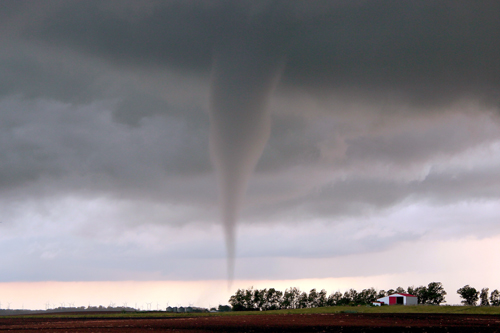
Indiana weather can change quickly. Severe thunderstorms may bring damaging winds, large hail, lightning, and heavy rain. Tornadoes can develop with little warning, while flash flooding can turn roads and yards into dangerous waterways in a matter of minutes.
Recent storms and flooding across Indiana have reminded many families how important preparation and insurance planning can be. The good news is that you do not have to navigate the recovery process alone. Understanding what to do before, during, and after a storm can help protect your family, reduce additional damage, and make an insurance claim easier to manage.
Before the Storm: Prepare Your Household and Review Your Coverage
The best time to think about storm damage is before severe weather is in the forecast. A few practical steps now can save time, money, and stress later.
Create a home inventory
A home inventory is a detailed record of the belongings you own. It can be especially helpful if items are damaged or destroyed and you need to prove what you had.
Walk through your home and photograph or video:
- Furniture and electronics
- Appliances and tools
- Jewelry, collectibles, and artwork
- Clothing and sporting equipment
- Computers, televisions, and other high-value items
- Items stored in basements, garages, sheds, and outbuildings
For expensive belongings, record the make, model, serial number, purchase date, and approximate value. Keep receipts, appraisals, and warranties when available.
Store your inventory somewhere safe, such as cloud storage or an external drive kept outside your home. Revisit it once or twice a year, especially after major purchases.
Review your insurance policy
A standard homeowners policy may provide coverage for certain types of storm damage, including damage caused by wind, hail, lightning, or falling objects. However, coverage depends on the policy language, exclusions, limits, and deductible.
Flooding is an especially important distinction. Most standard homeowners policies do not cover damage caused by rising floodwater. Flood insurance is generally purchased separately. Water entering through a damaged roof may be treated differently from water rising from the ground, so the cause of damage matters.
If you own a vehicle, comprehensive auto coverage may help with damage from hail, falling branches, flooding, or other non-collision events. Renters should also review their policy, since a landlord’s insurance generally does not cover the tenant’s personal belongings.
Ask your insurance agent:
- What storm-related damage does my policy cover?
- Is flood insurance appropriate for my property?
- What is my wind or hail deductible?
- Do I have replacement-cost or actual-cash-value coverage?
- Are detached structures, trees, landscaping, and personal property covered?
- Does my policy include additional living expenses if my home becomes uninhabitable?
- Are there endorsements I should consider, such as sewer backup coverage?
At Jett Insurance, we believe insurance should not be one-size-fits-all. Our team can review your current coverage and compare options from multiple providers before severe weather creates an emergency.
Know your deductible
Your deductible is the amount you may need to pay before insurance contributes toward a covered loss. Some policies have separate deductibles for wind, hail, or other specific causes of damage.
Knowing this amount ahead of time helps you make informed decisions after a storm. Keep a copy of your declarations page with your policy documents so you can quickly find your coverage limits, deductibles, and claims contact information.
Build an emergency kit
Indiana Department of Homeland Security recommends preparing an emergency kit before severe weather develops. Your kit should be easy to access and checked periodically.
Consider including:
- Bottled water and nonperishable food
- Flashlights and extra batteries
- First-aid supplies and necessary medications
- Phone chargers and backup power
- A battery- or solar-powered weather radio
- Blankets, hygiene supplies, and basic tools
- Copies of insurance policies and important documents
- Supplies for children, older adults, and pets
You should also create a family communication plan. Make sure everyone knows where to shelter and how to reconnect if family members are separated.
During the Storm: Safety Comes Before Property
When severe weather is occurring, do not put yourself at risk to protect or inspect your property.
The Indiana Department of Homeland Security’s severe weather guidance recommends having multiple ways to receive alerts, including wireless emergency alerts, local broadcasts, trusted weather apps, and a NOAA weather radio. Outdoor warning sirens may not be loud enough to wake people indoors.
Remember the difference between a watch and a warning:
- A watch means conditions are favorable for severe weather. Stay alert and be ready to act.
- A warning means severe weather is occurring or imminent. Take protective action immediately.
For a tornado warning, move to a basement, storm shelter, or small interior room on the lowest floor. Stay away from windows and place as many walls as possible between you and the outside.
During a severe thunderstorm, go indoors and stay away from windows. Do not shelter under isolated trees or near water, electrical wires, or metal objects.
If flooding is possible, move to higher ground. Never drive or walk through floodwater. Even shallow moving water can knock a person off their feet, hide dangerous debris, or sweep a vehicle away. Follow the rule: Turn Around, Don’t Drown.
After the Storm: Protect People, Document Damage, and Call for Help
Once the storm has passed, the first step is not taking pictures: it is making sure it is safe to return.
Wait for instructions from local officials before entering a damaged home. Watch for:
- Downed power lines
- Gas leaks
- Structural instability
- Broken glass and exposed nails
- Contaminated floodwater
- Standing water near electrical systems
- Mold or other health hazards
If there is an immediate medical emergency, call 911.
Document the damage carefully
When it is safe, photograph and video the damage before cleaning up or making repairs. Take wide photos of each affected room, followed by close-ups of damaged materials and belongings.
For flood damage, document water lines inside and outside the property. Photograph damaged furniture, appliances, flooring, walls, cabinets, vehicles, landscaping, roofs, siding, windows, and outbuildings.
Create a room-by-room list that includes:
- What was damaged
- The approximate age and value
- Make, model, and serial number when applicable
- Whether the item can be repaired or must be replaced
- Photos, receipts, and estimates
Do not discard damaged belongings unless they are creating a health or safety hazard. If an item must be thrown away, photograph it first and keep a sample or portion when practical. Your insurer or adjuster may need to inspect the damage.
Contact your insurance agent promptly
Call your insurance agent or carrier as soon as possible to report the loss. You do not need to know the total cost of repairs before starting a claim.
Jett Insurance can help you understand the next steps, organize information, and communicate with the insurance company throughout the claims process. We can also help clarify whether you may need to contact your homeowners, auto, flood, or business insurer based on the type of damage.
For assistance, contact Jett Insurance at 765-987-7019 or email sales@jettins.com.
Make reasonable temporary repairs
You generally have a responsibility to prevent additional damage when it is reasonably safe to do so. Examples may include placing a tarp over a damaged area, boarding a broken window, covering belongings, or arranging for water removal.
Take photos before making temporary repairs, keep receipts for materials and labor, and save invoices from contractors. Avoid permanent repairs or major renovations until the insurance company has had an opportunity to inspect the damage, unless emergency conditions require immediate action.
Do not climb onto a damaged roof, enter unstable structures, or operate electrical equipment in standing water. Hire qualified professionals when specialized work is needed.
Be Careful When Hiring Storm Contractors
After a widespread storm, contractors may arrive quickly offering to repair roofs, siding, windows, or water damage. Many are legitimate, but disaster areas can also attract scammers.
Before hiring anyone:
- Get more than one written estimate when possible.
- Ask for the contractor’s business name, address, and references.
- Verify licensing or registration requirements that apply to the work.
- Avoid contractors who demand full payment upfront.
- Be cautious of anyone who pressures you to sign immediately.
- Do not sign blank contracts or documents you do not understand.
- Keep copies of contracts, estimates, invoices, and proof of payment.
- Do not let anyone discourage you from contacting your insurance agent.
FEMA also provides information about disaster fraud and scams. Be cautious with anyone requesting sensitive personal information or promising guaranteed disaster assistance.
Resources for Indiana Families Affected by Flooding
If your family was affected by recent Indiana storms or flooding, help may be available beyond your insurance policy.
- Indiana 211: Call 211 or 866-211-9966, or visit the Indiana 211 website for referrals involving shelter, food, cleaning supplies, transportation, counseling, temporary housing, and other local needs.
- Indiana Department of Homeland Security: Visit the Indiana disaster resources page for updates, damage reporting information, and state assistance programs.
- FEMA: If federal assistance becomes available for your area, use DisasterAssistance.gov and follow the current instructions from FEMA and Indiana officials. FEMA assistance generally cannot duplicate insurance benefits and may be intended for eligible uninsured or underinsured needs.
- American Red Cross: Use the Red Cross Resource Directory to search for housing, food, transportation, health, and legal assistance.
Disaster assistance programs and eligibility can change as damage assessments and declarations develop. Always confirm current instructions through official government websites.
Let Jett Insurance Help You Prepare
Storm damage is stressful enough without trying to interpret policy language or manage the claims process alone. Jett Insurance has served Indiana clients since 1990, helping families and businesses find coverage that fits their needs.
Whether you need a homeowners policy review, auto coverage guidance, flood insurance information, or help after a loss, our independent agency is here to advocate for you. Contact Jett Insurance before the next storm: or call us after damage occurs so we can help you determine what to do next.
Preparing today can make tomorrow’s recovery a little easier.